Across licensed cannabis markets, the pressure on dispensary operators to run tighter, faster, and more compliant retail operations has never been more pronounced. Regulators are asking harder questions. Tax burdens remain steep. And consumers - increasingly accustomed to the retail experiences they get everywhere else - expect checkout lines that move and product information that's accurate. The back-office systems holding all of that together are no longer optional infrastructure. They're the business.
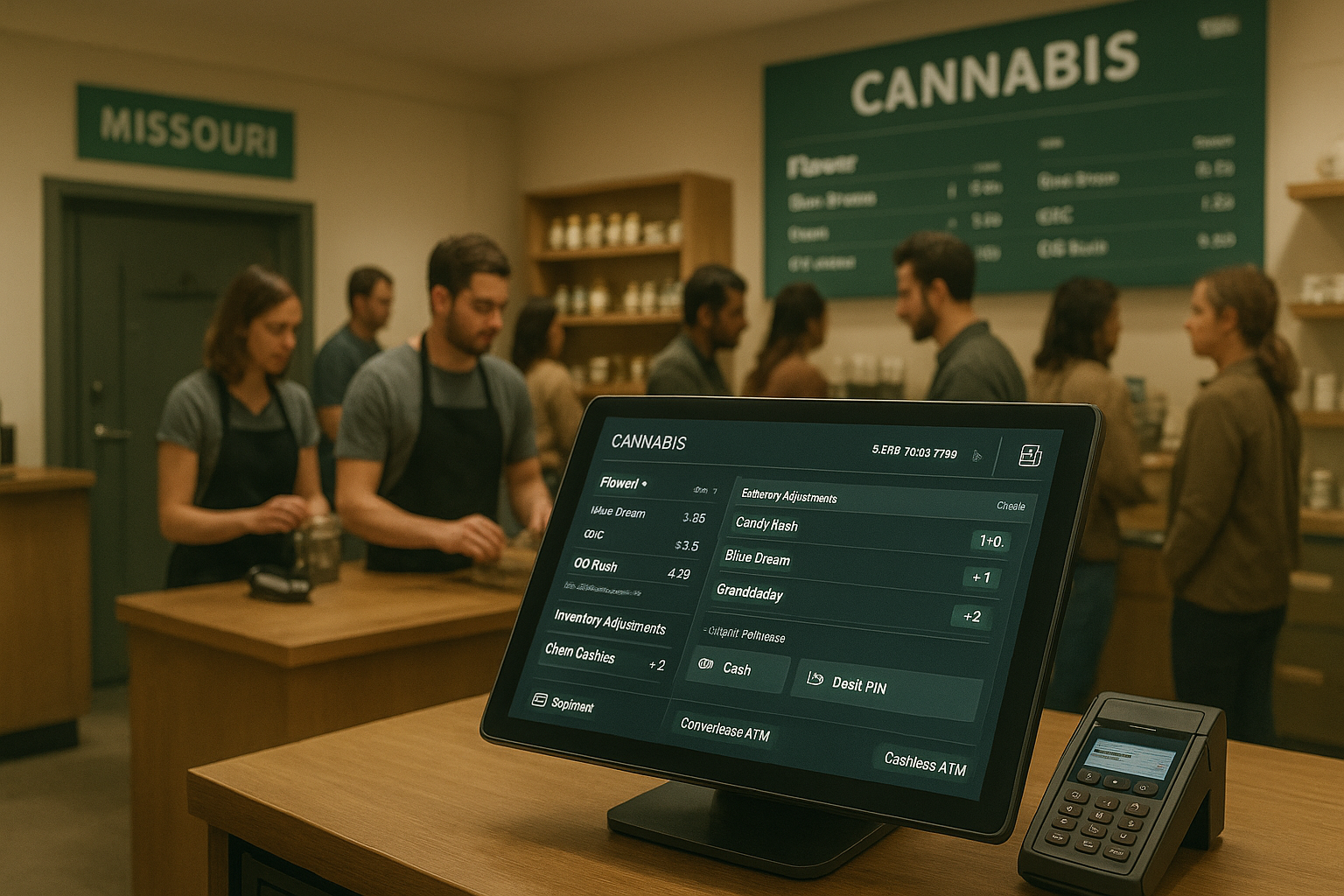
That reality is particularly sharp in mid-tier markets where adult-use rollouts have matured enough to create serious competitive density but haven't yet produced the margin relief that operators were promised. Missouri is one of those markets - a state where the transition from medical-only to adult-use accelerated quickly and where operators who didn't build scalable systems early are now feeling it. Choosing the right dispensary pos system Missouri operators rely on isn't a procurement checkbox; it's an operational decision that touches METRC compliance, seed-to-sale tracking, inventory shrinkage controls, and the customer-facing speed that drives repeat business. In a dense competitive market, a slow or non-compliant POS terminal is a liability, not just an inconvenience.
What Retail Technology Actually Needs to Do
Here's the thing - cannabis point-of-sale isn't just retail software with a cannabis skin on it. The compliance layer is structurally different from anything in conventional retail. Every transaction has to reconcile against state tracking systems in something close to real time. Inventory adjustments, returned products, and voided sales all carry compliance weight. A mismatch between the POS record and the METRC manifest isn't a minor discrepancy; it's a regulatory event that can trigger audits, fines, or license review.
Seed-to-sale tracking integrations have to be airtight. The POS system has to read incoming transfer manifests accurately, push sales data to the state system without lag, and flag exceptions before they compound. Most operators who've been through a compliance audit will tell you the same thing: problems that look like operational errors usually started as data errors. A batch tagged incorrectly at intake, a SKU mapped to the wrong product category, a sale logged against a package that had already been closed out. The margin for error is structurally low.
Payments, Cash, and the Ongoing Compliance Burden
Payment infrastructure remains one of the more frustrating pressure points in cannabis retail. Federal banking restrictions mean that most licensed dispensaries still operate in a predominantly cash environment - or rely on workarounds involving cashless ATM systems and debit PIN transactions that occupy a legally ambiguous space. That's not a technology failure; it's a regulatory constraint that technology is trying to work around.
The implications for store operations are significant. Cash handling requires staff time, security protocols, vault management, and reconciliation procedures that don't exist at the same scale in any other consumer retail category. Operators who haven't built cash-handling discipline into their standard operating procedures face inventory shrinkage risks and audit exposure that compounds over time. Some states have moved toward greater banking access for licensed operators, but that progress has been uneven and slow.
In the meantime, dispensary operators are increasingly asking their POS vendors to support multiple tender types - cash, debit, compliant cashless options - through a single system, with reporting that covers all of them. That sounds tidy on paper. In practice, though, getting clean data out of a multi-tender environment requires consistent staff training and a POS configuration that doesn't let edge cases fall through the cracks.
The Operational Bar Is Rising
Consumer expectations have moved. Dispensary customers in markets that have been open for a few years now compare the experience to every other retail environment they visit. Long check-in queues, outdated digital menus, and budtenders who have to leave the floor to check inventory availability are friction points that drive customers to competing stores.
The operational fixes for most of those friction points run through the POS and inventory management stack. Real-time inventory visibility - accurate at the SKU and batch level, updated on every sale - lets floor staff answer product questions with confidence. Integrated digital menus that pull live data from the same inventory system eliminate the problem of customers ordering products that aren't actually in stock. Age verification integrations at check-in reduce manual errors and protect the operator's license.
Compliance isn't separate from retail performance. Operators who treat their technology stack as a compliance tool first and a retail tool second tend to run cleaner operations on both fronts. That's not a coincidence - the data discipline required for METRC compliance turns out to be the same discipline that produces reliable inventory counts, accurate COA management, and purchase history reporting that informs wholesale ordering decisions. Tighten one, and the other tightens with it.