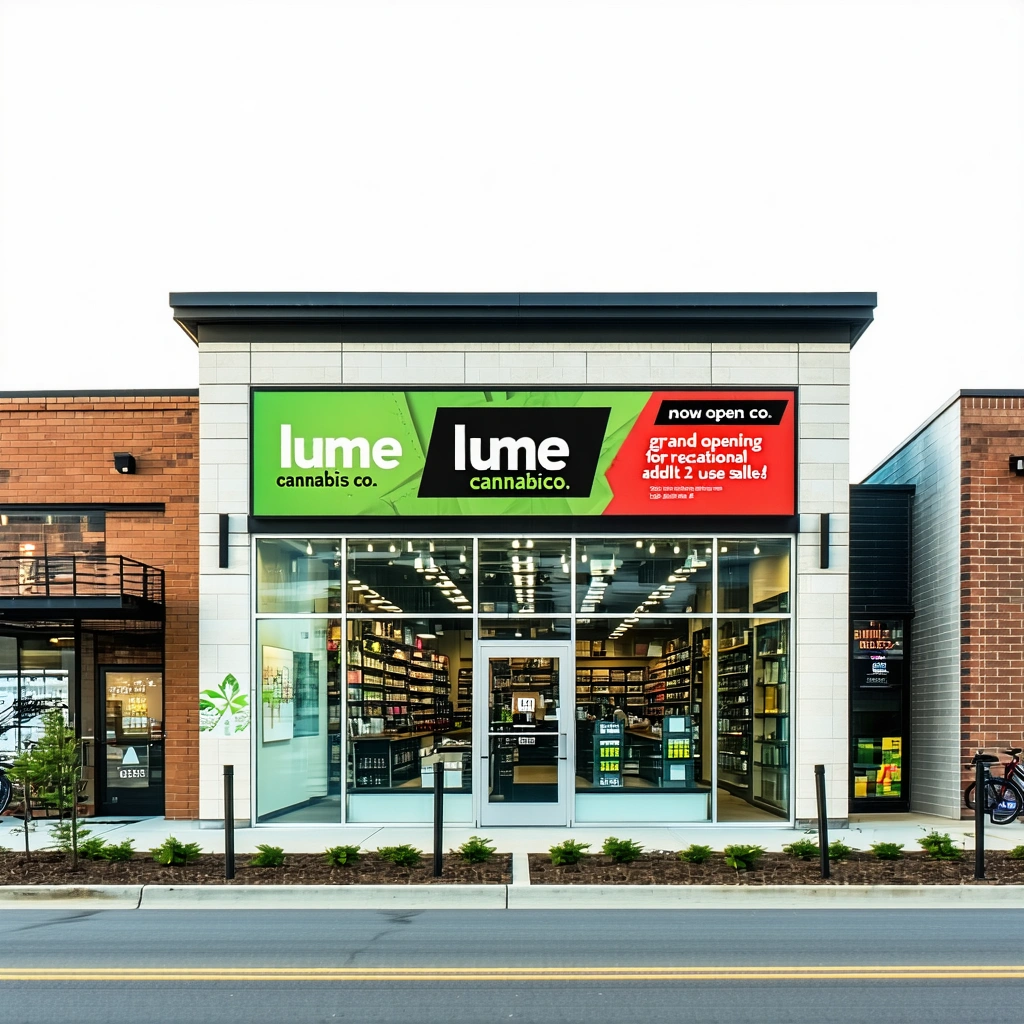
Recreational marijuana sales kicked off this week in Berkley and Southfield, expanding access across Oakland County as these communities join a select group allowing dispensary operations. This development, marked by swift city approvals, signals growing acceptance of regulated cannabis in suburban Michigan, potentially easing black market pressures while raising questions about community health and economic impacts.
Key Developments in Southfield and Berkley
Two prominent cannabis operators, Lume Cannabis Co. and Dreams, secured final approvals from Southfield on Monday to convert and launch recreational dispensaries. Lume, which operated as a medical marijuana outlet before closing in July 2022, reopened its doors Tuesday, offering customers a seamless transition to adult-use products. Berkley followed suit, aligning with Southfield to broaden local availability in this affluent Detroit suburb.
- Lume's quick relaunch highlights efficient regulatory processes for established medical sites.
- Dreams represents fresh investment in recreational infrastructure.
- Both stores now stock THC products for adults 21 and older, under strict state licensing.
Background: Michigan's Patchwork Cannabis Rollout
Since Michigan voters approved recreational marijuana via Proposal 1 in 2018, the state's 1,500-plus municipalities have held veto power over sales, creating a fragmented landscape. Oakland County, home to 1.2 million residents, has seen only a handful of communities—such as Ferndale, Hazel Park, and Madison Heights—permit dispensaries until now. Berkley and Southfield's entry reflects shifting local attitudes, driven by lost tax revenue from opt-outs and pressure from businesses eyeing Michigan's $3 billion-plus annual cannabis market.
Health, Safety, and Economic Implications
From a public health perspective, regulated sales promise quality control and potency labeling, reducing risks from contaminated street products—a concern that persists despite legalization. Lifestyle experts note cannabis's role in stress relief and social rituals, akin to alcohol, but caution against overconsumption amid rising youth exposure rates. Economically, these openings could generate millions in local taxes; Michigan collected $450 million statewide in 2023 alone, funding schools and infrastructure.
- Broader access may shrink the illicit market by 20-30%, per industry estimates.
- Safety protocols include consumption lounges in some areas, promoting responsible use.
- Cultural shift positions cannabis as mainstream, mirroring trends in states like Colorado and Illinois.
Future Outlook for Oakland County
As more Oakland County cities eye opt-ins, expect clustered dispensaries to normalize recreational marijuana, fostering innovation in low-dose edibles and wellness strains. Public health campaigns will be crucial to mitigate impairment-related incidents, ensuring benefits outweigh risks in this evolving suburban landscape.