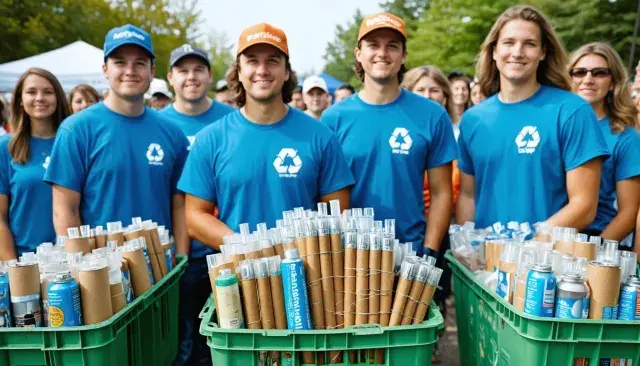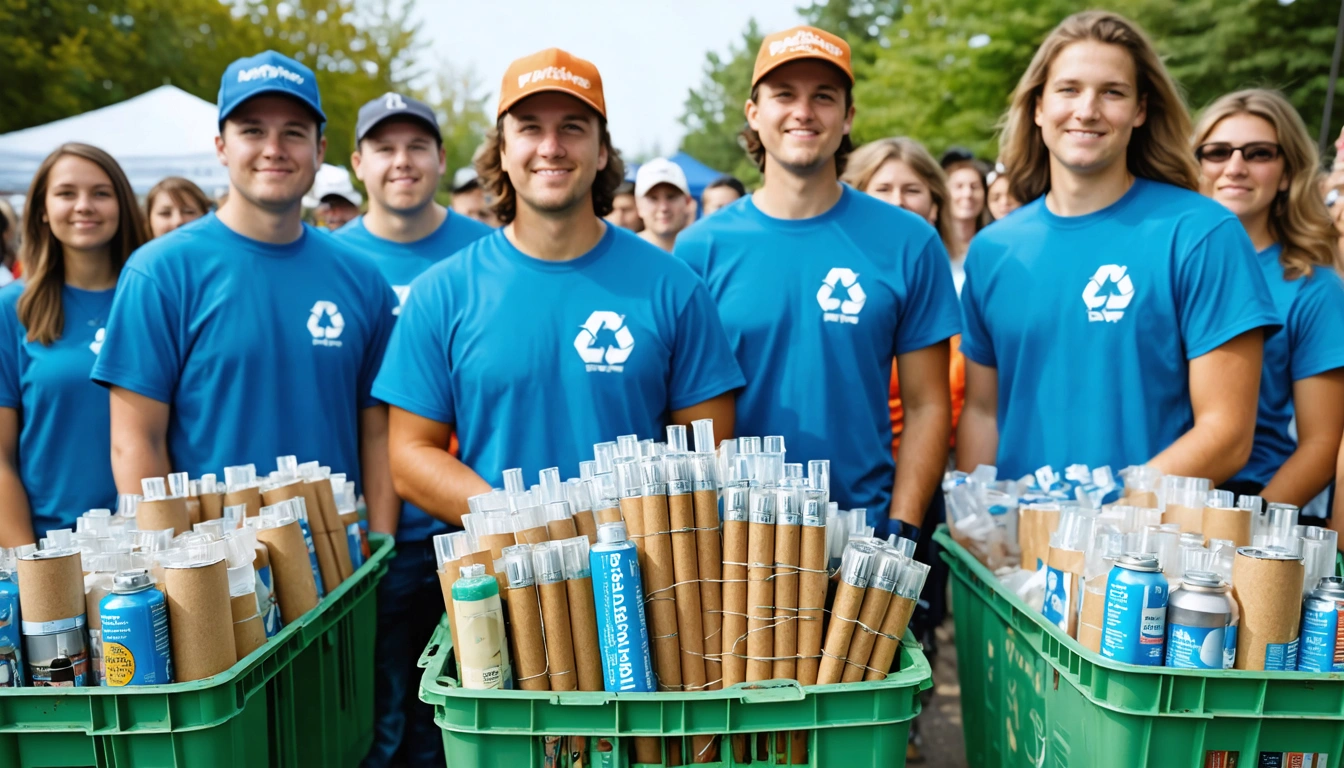
In Marquette, Michigan, Citizens for a Safe & Clean Lake Superior is scaling up its vape recycling program after collecting over 4,000 disposable e-cigarettes at a pilot site. Launched fully on December 1, this initiative targets the growing menace of e-cigarette waste polluting soil, groundwater, and surface waters, safeguarding one of North America's largest freshwater lakes.
From Pilot Success to Widespread Collection
The program began last year with a single drop-off at Kenny’s Corner Store in downtown Marquette, amassing 4,000 used vapes. Now, collection bins are at Circle K stores along U.S. 41 in Harvey, Marquette, Negaunee, and Ishpeming. Residents can deposit empty nicotine vapes for proper disposal and battery recycling.
- Volunteers consolidate vapes at bimonthly “Tape the Vapes” events.
- Waste goes to Recycle 906, then to specialized battery recyclers.
- Focus remains on nicotine vapes; cannabis expansion planned soon.
Hazards of Discarded Vapes Exposed
Disposable vapes pack lithium batteries that leach heavy metals like cobalt and nickel into soil and water when littered. Thrown in trash, they spark landfill fires. Leftover nicotine liquid, a potent neurotoxin, contaminates waterways, harming aquatic life and entering food chains. With vaping rates soaring among youth—over 2 million U.S. teens use e-cigarettes annually per CDC data—this waste stream mirrors the global e-waste crisis, where batteries contribute to 5% of landfill fires worldwide.
Overcoming Challenges and Looking Ahead
Cannabis vapes pose similar risks but face regulatory hurdles as controlled substances. Partnering with The Fire Station Cannabis Company, the non-profit seeks dedicated sites. This effort aligns with rising trends in extended producer responsibility laws, pushing manufacturers to handle product end-life. Success here could model solutions for Great Lakes communities, curbing microplastic and chemical pollution amid climate pressures on freshwater ecosystems.
By diverting toxics from Lake Superior's watershed, this program underscores how local action combats broader environmental decline, urging wider adoption of recycling infrastructure.