In the Midwest's unusually wet summer of 2025, abundant July rainfall boosted corn yields in many areas but raised alarms for stalk rots and integrity loss in standing fields. Early detection through brace roots can prevent lodging, protect harvest efficiency, and minimize losses for farmers facing delayed combining.
Understanding Cornstalk Integrity Threats
Stalk integrity issues stem from both biotic diseases and abiotic stresses. Pathogens like gibberella, diplodia, fusarium, and anthracnose erode internal stalk tissue, turning solid white cores into brittle straw. Meanwhile, nutrient or moisture shortages during grain fill trigger plant cannibalization, where the corn redirects resources from stalks to kernels, weakening structure. High rainfall saturation exacerbates these risks by promoting diseases and disrupting root health, a pattern increasingly common amid variable Midwest weather.
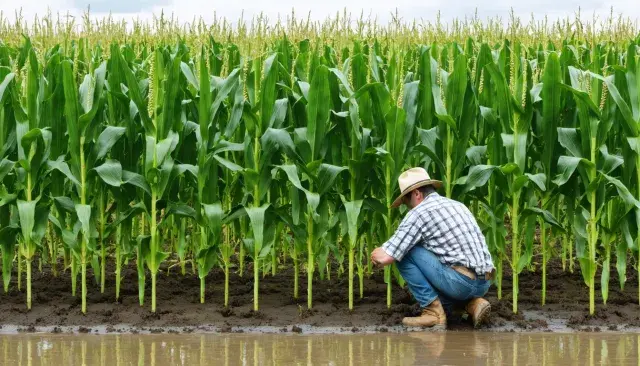
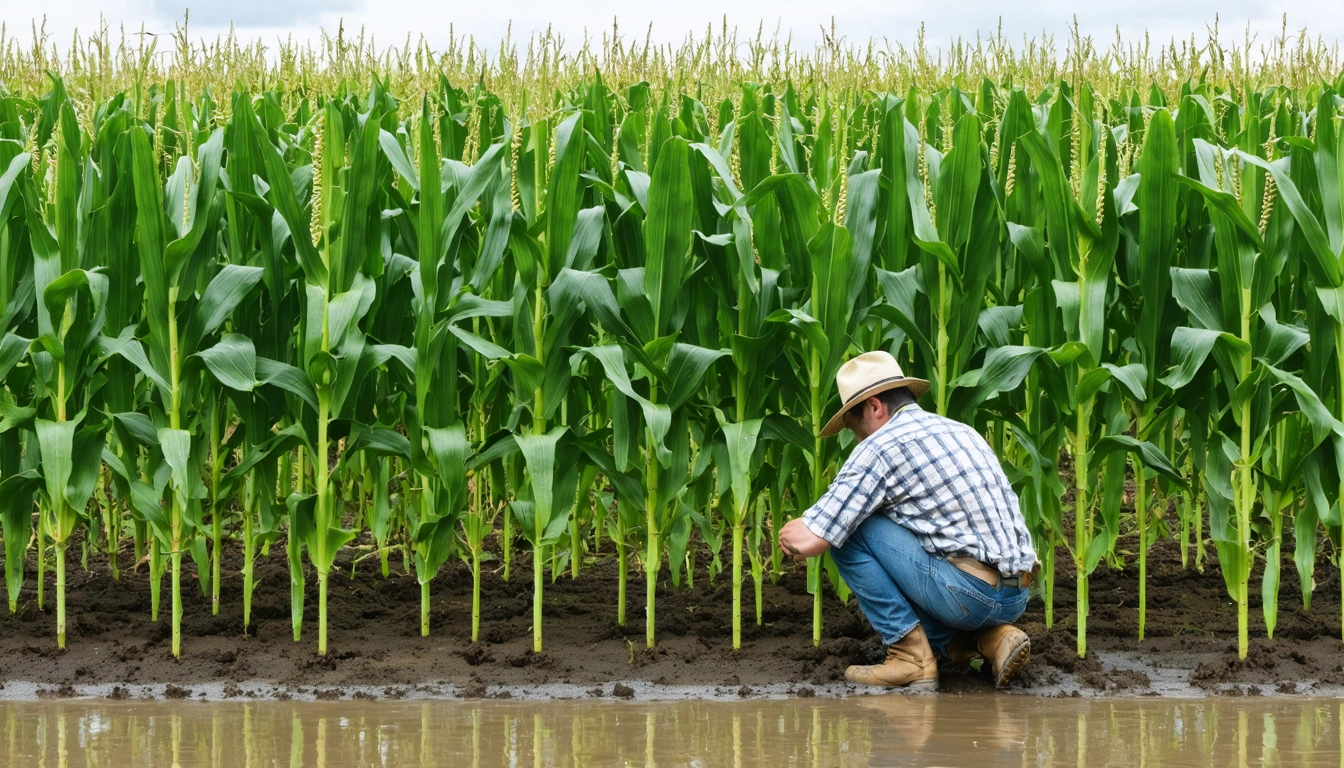
Spot Problems First with Brace Roots
Brace roots, which anchor plants and uptake late-season resources, signal trouble before push tests reveal it. Healthy ones stay green, smooth, and firm; compromised roots blanch, develop lengthwise creases, and collapse under pressure. These extremities suffer first from stressors, offering an early warning system.
- Get on hands and knees to survey fields now.
- Look for blanching, creasing, or softness in brace roots.
- Prioritize fields showing 20% or more affected roots for immediate harvest.
This method outperforms waiting for wind-induced lodging or the push test—pushing 100 stalks to count those not rebounding, per Purdue's Dan Quinn—which only flags advanced decay.
Proactive Steps to Safeguard Future Crops
To curb repeats, tailor agronomics field-by-field. Select hybrids with strong stay-green, disease resistance, and drought tolerance ratings, matching them to stress-prone areas. Ensure balanced nutrition, especially potassium for stalk strength, and apply fungicides to sustain photosynthesis.
- History of issues? Prioritize lodging-resistant hybrids.
- Monitor variable-rate fertility to avoid deficiencies.
- Integrate cover crops for better soil moisture management.
These strategies reduce cannibalization risks and align with broader trends in resilient farming amid climate shifts, potentially cutting lodging losses that claim 5-15% of yields in vulnerable years.
Harvest Implications and Broader Outlook
Weak stalks complicate combining, risking machine damage and uneven stands. Early brace root checks guide decisions on drying costs versus prompt harvest, preserving quality. As wetter seasons trend upward, proactive scouting empowers growers to sustain corn belt productivity, bolstering food supply chains against weather volatility.