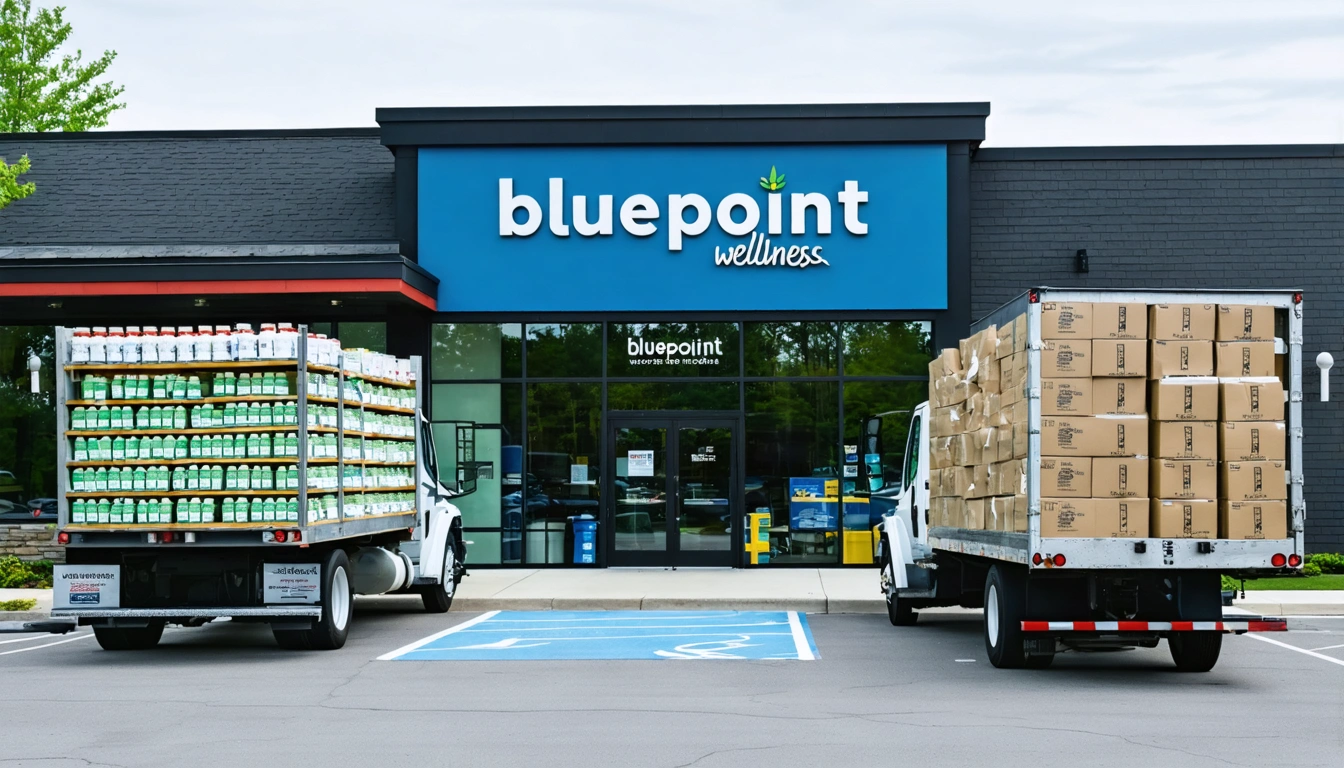
Connecticut's final medical-only cannabis dispensary, Bluepoint Wellness in Westport, plans to relocate within the town after repeated rejections for recreational sales permits. This move signals the potential end of standalone medical marijuana operations statewide unless local zoning changes. The development underscores tensions between municipal controls and a booming recreational market that has eroded demand for medical-only outlets.
Westport Zoning Blocks Path to Recreational Sales
Bluepoint Wellness opened in late 2019 as a medical cannabis provider but has faced barriers to hybrid operations. Westport's Planning and Zoning Commission denied expansion requests, citing traffic concerns after the town amended its code in 2021 to ban recreational businesses following state legalization. Co-founder Nick Tamborrino highlighted the frustration in 2023 testimony, noting daily turnaways of residents seeking recreational products.
Industry Adapts with New Recreational Venture
In response, Bluepoint launched Venu Flower Collective, a recreational store 50 miles away in Middletown. The company now shifts its Westport medical dispensary to a temporary site, planning an 18-to-24-month stay before moving to an undisclosed town for hybrid sales. Connecticut holds 61 licensed stores, with 29 already offering both medical and recreational products, leaving Bluepoint as the outlier.
Medical Market Declines as Recreational Sales Surge
Medical patient numbers have fallen from nearly 49,000 to under 32,000 since recreational sales began in 2023. Annual medical sales dropped $21 million in 2025, with transactions decreasing from 2.6 million in 2024 to 2.2 million. Fine Fettle chief operating officer Ben Zachs observed that sustaining medical-only models grows challenging amid competition, while state ombudsman Erin Gorman Kirk points to high prices, inconsistent quality, and limited variety compared to neighbors Massachusetts and Rhode Island.
Implications for Patients and State Policy
The relocation risks eliminating medical-only access, pressuring patients toward hybrid stores or out-of-state options. Local zoning remains a key lever for communities to shape cannabis landscapes, even as state revenues and consumer habits favor recreational expansion. Without code updates, Connecticut's medical cannabis era may close, reflecting broader national trends where recreational dominance reshapes original patient-focused frameworks.