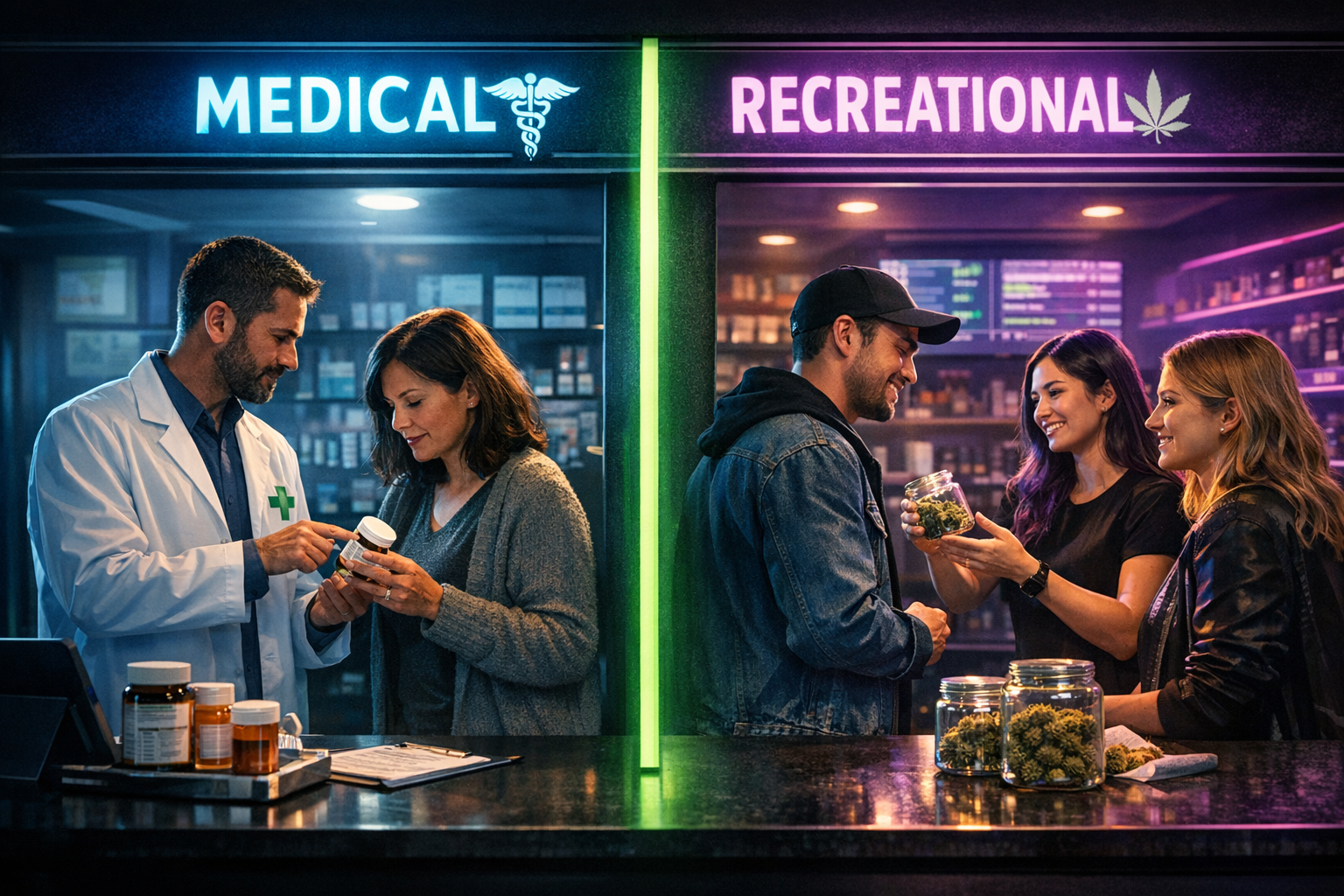
Fine Fettle, a prominent cannabis operator, has transformed its nine Connecticut dispensaries into hybrid facilities that serve both medical marijuana patients and adult-use customers. This shift follows a recent state law change that permits such dual operations. The move expands access to cannabis products while preserving specialized care for patients with medical needs.
State Law Enables Broader Dispensary Operations
Connecticut legalized adult-use cannabis in 2021, building on its established medical marijuana program launched in 2012. Prior to this adjustment, dispensaries operated strictly for patients holding state-issued cards, limiting service to those with qualifying conditions like chronic pain or epilepsy. The new hybrid authorization removes that barrier, allowing operators like Fine Fettle to integrate recreational sales without relocating or building new sites. This policy streamlines business models across the state, where medical programs once functioned in isolation from emerging recreational markets.
Fine Fettle Prioritizes Patient Care Amid Expansion
Benjamin Zachs, the company's chief operating officer, emphasized continuity in service quality. "This change allows us to continue fulfilling our mission of accessible, compassionate care while strengthening the state’s medical program," he said. "By bringing all of our locations under a hybrid model, we can serve patients and customers alike — without sacrificing the quality, expertise and personal touch that define Fine Fettle." Fine Fettle operates in regions where medical access has lagged, and this uniform approach addresses those gaps by maintaining trained staff and patient-focused protocols alongside general sales.
Implications for Access and Market Growth
Hybrid facilities mark a key evolution in cannabis regulation, blending medical rigor with recreational volume. Patients gain convenience through one-stop access, while recreational users benefit from established infrastructure. In states like Connecticut, this model supports revenue that funds public health initiatives and bolsters the legal market against illicit alternatives. Operators must still adhere to strict inventory tracking, age verification, and potency limits to ensure safety. As more dispensaries follow suit, Connecticut's cannabis sector positions itself for sustained growth, balancing compassion with commerce.